
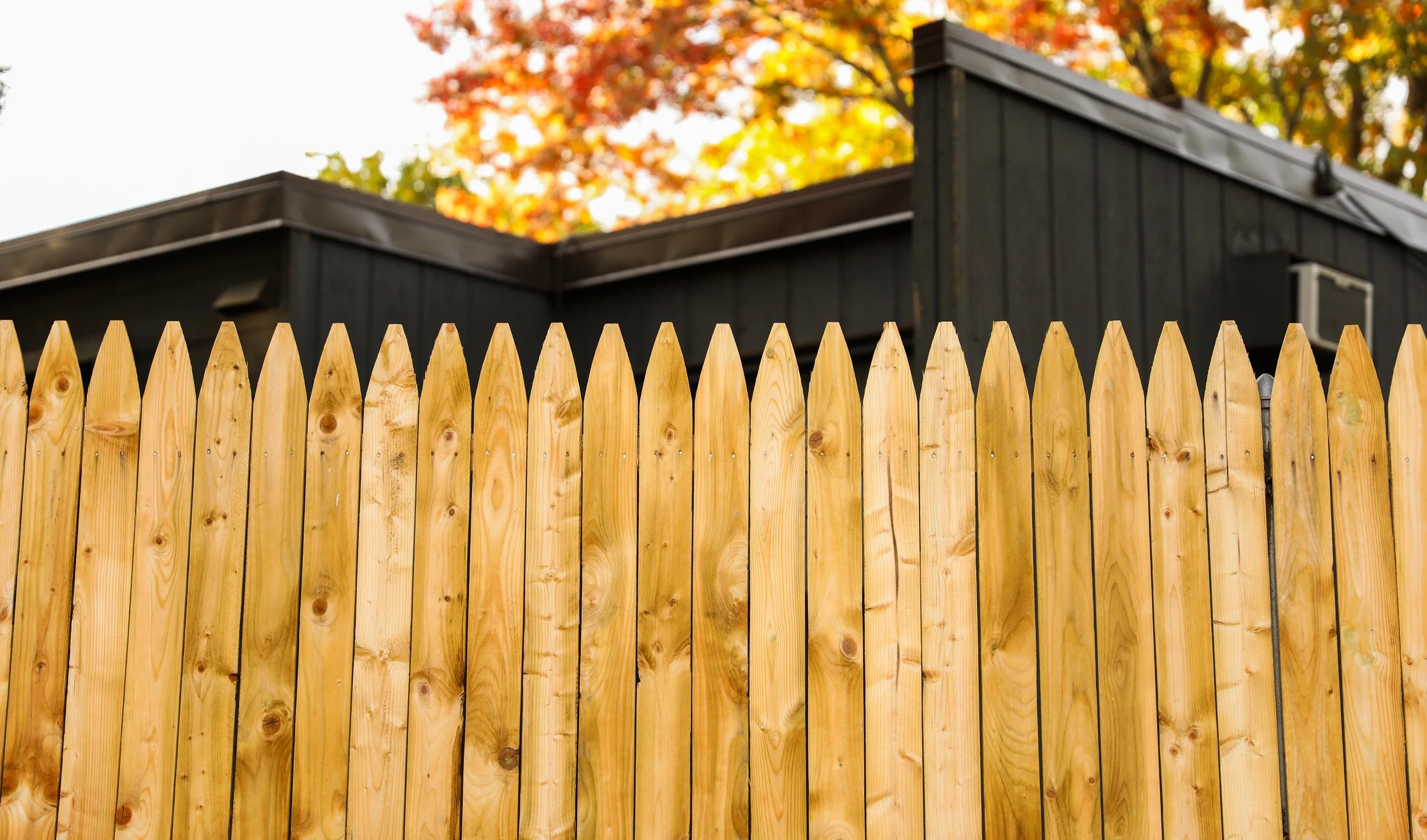
Choosing the right wood for your fence is important because it affects how long it lasts, how it looks, and how much maintenance it needs. With many types of wood available, each with its own pros and cons, it's important to consider factors like climate, cost, appearance, and resistance to pests and moisture. This guide explains the best wood options for fencing, whether you're a homeowner, contractor, or DIYer, it offers clear, helpful information to choose the best wood for your fence.
Understanding different Types of wood for Fencing
The best woods for fencing are cedar, oak, and pressure-treated pine. Cedar naturally resists rot and insects, while oak is known for its strength and durability. Pressure-treated pine is an affordable and easy-to-find option. Your selection depends on your budget, available options, and desired fence longevity. Below, we discuss different types of wood fencing:
Cedar
Cedar is a popular choice for wooden fencing because it resists rot and pests, making it good for outdoor use. It contains natural oils that help protect against decay and bugs. This makes cedar fences last longer, even in harsh weather.
Cedar has a pleasant, attractive smell. Its color varies from light amber to dark brown, gradually fading into a silver-gray shade over time, which many like. To keep its original color, regular staining can help.
Oak
Oak is a highly resilient material, with untreated specimens lasting as long as two decades—outlasting pressure-treated pine in durability. It offers a variety of color choices and has an appealing natural grain pattern.
Unlike cedar and redwood, oak lacks inherent insect resistance, which makes it less suitable for humid, rainy environments. It performs best in dry climates, though treatment can extend its longevity in wetter conditions.
Pressure-Treated Wood
Pressure-treated wood is popular for fencing due to its resistance to rot, pests, and decay. The process involves soaking the wood in chemical preservatives, which enhances its durability and makes it ideal for outdoor use. This significantly prolongs its lifespan, offering an affordable fencing option.
Although it may lack the natural appearance of cedar or redwood, pressure-treated wood can be painted or stained to enhance its look appearance. Homeowners can also customize their fences to match their style. Regular maintenance, such as re-staining or sealing, is needed to protect the wood from weather damage and help it last longer.
Pine
Pine is an adaptable, budget-friendly fencing material. Frequently treated with pressure to increase its resistance to decay and insect damage, it proves durable in outdoor environments. This type of pine can endure extreme weather and typically lasts longer than untreated variants.
A key benefit is its flexibility for staining and painting, thanks to its light hue, which makes customization easy. Whether aiming for a natural finish or a vibrant color, pine can be tailored through staining or painting. To preserve its look and prolong its durability, regular maintenance like re-staining or repainting is essential necessary.
Redwood
Redwood is a common fencing material because of its durability and natural look. Similar to cedar, redwood is resistant to rot and pests because of its natural properties tannins. These natural chemicals help prevent decay, making it ideal for areas with high humidity or heavy use rain.
Redwood's deep red color is attractive. Its fine grain and even texture give a nice appearance. However, to keep its color bright, it needs regular staining or sealing. Without proper care, redwood can fade to a gray color, similar to cedar.
Douglas Fir
Douglas fir is recognized for its durability and resistance to environmental factors decay. It is often used in construction and fencing. This wood is strong and can handle different weather conditions, but it is not as resistant to pests and rot as cedar or redwood.
It features a straight grain and a light color that can be stained or finished as desired painted. Its strength and affordability make it a good choice for homeowners who want a sturdy fence. To maintain its appearance and extend its durability, regular sealing and staining are recommended.
Cypress
Cypress is a good fencing material, especially for wet areas. Its natural oils help prevent rot and insect damage, like cedar and redwood. It is sturdy and weather-resistant, which makes it a dependable option for fences.
Visually, cypress resembles cedar, with a pleasant scent and an attractive color. Over time, if not treated, it turns silver-gray. Regular sealing and staining help maintain its natural look and extend its durability recommended.
Spruce
Spruce is a widely used fencing material due to its affordability and easy availability. Although it doesn't possess the natural durability of cedar or redwood, proper treatment and maintenance can ensure its reliability. Commonly used in stockade fences, it is recognized for its straight grain and uniform texture.
To prolong its lifespan, the wood should be treated with preservatives that prevent rot and insect damage. Regular maintenance and treatment can extend the life of a spruce fence. Staining or painting spruce can improve its appearance and help it match various fencing styles.
Which Type of Wood Should You Choose?
Selecting the right wood for fencing involves considering factors such as ease of maintenance, safety, durability, and visual appeal. Different fencing components can be made from various types of wood, each suited to specific purposes. The decision relies on your budget and desired fence longevity.
Typical options are cedar, valued for its natural decay resistance and appealing look, and pressure-treated pine, which is cost-effective and long-lasting if correctly maintained. When choosing the ideal wood, evaluate factors such as climate, desired lifespan, and maintenance requirements to ensure it meets your specific needs.
Consider the local climate.
Certain woods, like cedar and redwood, flourish in dry or temperate environments, while cypress is better suited to humid conditions. Pressure-treated wood is a versatile option that adapts to various climates, whereas pine is better suited to colder regions.
Review Local Regulations
It's essential to review local regulations regarding materials, especially treatments for pest and rot resistance. Pressure-treated options often comply with such guidelines.
Maintenance Considerations
Cedar, redwood, and cypress demand minimal upkeep, making them suitable for low-maintenance needs, whereas pine and Douglas Fir may require more attention due to vulnerability to pests and decay.
Pest Resistance & Durability
Pest resistance is another important factor to consider. Cedar and redwood naturally keep insects at bay, which can be a real plus. On the other hand, pine might need additional protective treatments to achieve the same level of defense.
Aesthetic Preferences
Consider your aesthetic preferences; cedar and redwood provide vibrant natural tones, oak offers an attractive textured grain, and cypress lends a rustic charm.
By carefully analyzing these factors, you can select a wood type that ensures a durable, easy-to-maintain fence that complements your home’s style.
Conclusion
Choosing the best wood for a fence depends on factors like durability, appearance, and price. Common options such as cedar, redwood, and pressure-treated pine offer a good mix of durability, look, and affordability. Cedar is highly valued for its resilience against decay and pests, rendering it a preferred choice for durable applications fences.
Redwood is also durable and has a nice finish, but it is usually more expensive. Pressure-treated pine is a more affordable choice that can last a long time with proper maintenance care. Picking the right wood depends on your needs, climate, and how much maintenance you're willing to do to keep your fence strong and attractive for years.