
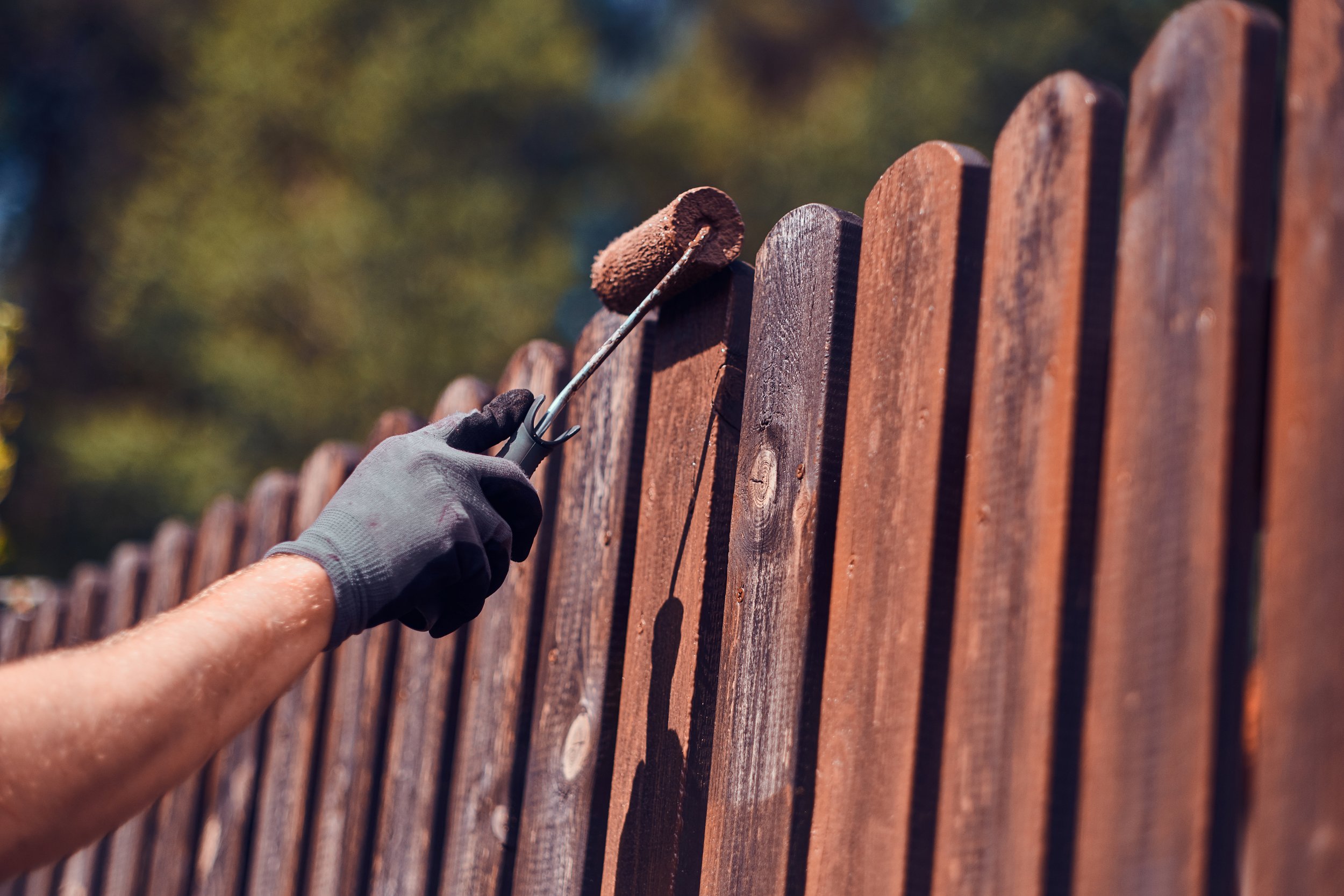
Wood fences are beautiful, and the natural feel gives your entire backyard a cozy ambience. They need maintenance, or they'll not last long. Sunlight hardens them, rain soaks them through, insects bore their way into the wood, and simple negligence over time weakens them from within.
The good news? All of that can be avoided with a few easy steps. In this guide, we'll go over how to protect your wood fence against moisture, UV damage, pests, rot, and wear, so you can keep it strong and beautiful for years.
Understand Your Wood Type First
Before you clean, sand, or coat the wood, it's important to know what kind of wood you have. Different wood species respond differently to the outdoor living conditions. That's the reason a special treatment is given to each type.
Cedar and redwood, for instance, are naturally resistant to rot and insects due to the oils in the wood. They still require protection against UV rays and moisture, but are more resistant generally.
Pine and pressure-treated lumber, however, rely on preservatives heavily. Pine is a softer wood — it's more susceptible to moisture — and therefore, pine will get a huge boost from staining, sealing, and yearly treatment. Pressure-treated wood is insect-resistant, but it does still need to be sealed to prevent cracking and water damage.
Knowing what type of wood you have will help determine which products to use and prevent the possibility of over- or under-treatment. Think of it as you're giving your wood fence exactly what it requires to feed, no more, no less.
How to Preserve a Wood Fence?
Step 1: Inspect the Fence (Before Doing Anything)
Before you put your hands on any sort of brush or reach for a pressure washer, give your fence a once-over and see what you're working with. Even a quick look helps you see what you're working with and avoid "preserving" issues below the surface.
What to look for:
Cracks, splits, or warped boards
Mold or mildew patches
Loose nails, screws, or unstable boards
Soft, decaying spots (particularly near the base)
Soil contact that leaves wood damp constantly.
Why this step matters:
You'll face fewer expensive repairs down the line if you catch small issues early. A slightly loose board can become a structural issue once moisture gets inside it. To ensure your treatment actually works instead of preserving existing damage, get everything fixed.
Repair or replace?
If the board is merely slightly cracked or slightly warped, or if any of the fasteners have become loose, repair the deck.
Replace if the wood is soft, the degradation depth exceeds, deep rot is present, or splits are severe.
The preservation is longer-lasting when you have a decent, stable base.
Step 2: Give the Fence a Thorough Cleaning
Cleaning is where the true magic happens. A clean surface is essential for your wood to absorb preservatives effectively — and it's the first step in making an old fence look brighter.
When and how to clean:
Clean on a dry, mild day. Sweep the surface with a broom to get rid of any loose dirt or debris, and then clean it with a pressure washer or scrub brush (using a wood-safe cleaner).
Pressure washing vs. hand scrubbing:
Pressure Washing: Quick, good for deep grime, best for large fences — but too powerful a spray will harm soft wood.
Hand Scrubbing: Not as fast, but good for older or fragile fences. Provides more control over pressure and cleaning solution.
Removing mold, mildew, and algae:
Treat with an oxygen-based cleaner or diluted bleach (if applicable). Thoroughly scrub any problem spots and rinse until the water runs clear.
Don't skip drying time:
Allow the fence to dry completely — typically 24 to 48 hours. Adding treatment to wet wood results in uneven absorption and less protection.
Step 3: Sanding for a Fresh Surface
Sanding makes your fence look smooth and new, and more prepared to soak in treatment evenly. If you like to get the most out of your preservations, this hack will be your favorite.
Why is sanding worth it:
It takes off rough spots, old particles of finish, and raised grain from scrubbing. Even better, it helps the new treatment bond correctly, and that means better protection and more life.
What grit to use:
150–200 grit for old, tired fences that require a complete refresh.
320 grit for light, inter coat sanding when you're ganging up coats.
Spot-sanding vs. full sanding:
Spot-sanding: This trick works if your fence is relatively smooth with just a few patches of roughness or patchiness.
Full-Surface Sanding: For fences that are uneven, very weathered, or have peeling old stain.
Step 4: Select the Appropriate Preservation Product
This is the part that confuses most people, but it's simple once you understand what each product does. Various treatments protect against different types of damage, so select one according to what your fence actually requires.
Wood Preservatives
They are your chief protection against rot, fungi, and insects — especially if you are working with older fencing or wood that sits near the ground.
Colorless vs. tinted preservatives:
Crystal clear: Perfect if you want everything to look natural. Excellent as an initial undercoat.
Tinted: Additional UV protection with a subtle tint color. Perfect if your wood loses its brightness fast.
Use preservatives to provide long-term structural protection — before sealing or staining.
Sealants
Sealants give protection against water. They make a transparent moisture barrier and help protect against swelling, warping, and splitting.
When clear sealants shine:
When you want to preserve the natural tones of your wood
When the fence already has the best UV protection
For pressure-treated wood that doesn't require heavy staining
They're basic, clean, and wonderful for the minimalist finish.
Stains
Stains do double-duty. These products not only protect against UV damage, but they also enhance color. They absorb into the wood instead of sitting on top in a way that provides a natural appearance and deeper tone while lasting longer.
Oil-based vs. water-based stains:
Oil-based: Rich penetration, longer-lasting, best for older or dry fences.
Water-based: Dries more quickly, environmentally friendly, easy to clean up, ideal for newer wood.
Stains are the best choice if your fence has to face the sun a lot.
Paint
Paint provides good coverage and hides imperfections — ideal for older fences with various shades or patched boards.
When paint is a good choice:
When you're looking for a pure, even color
When the patch-up repairs are spotty
When you’re Matching Your Home's Exterior
But it needs more upkeep. Because paint can peel, chip, and crack, it will require touch-ups more often than with stains and oils.
Natural Oils
Tung oil, boiled linseed oil, and other natural finishes make wood look warm and nourished.
They make sense when:
You're looking for a soft, natural sheen
The wood on the fence is hardwood (such as cedar or redwood)
You don't care if you have to reapply more frequently
They don't make sense when:
You need heavy-duty UV protection
You want to recoat after every couple of years.
Your fence gets continuous rain exposure.
Oils give a beautiful finish — but they need high maintenance.
Step 5: Apply Treatment Properly
Even a good product works best only if it's applied properly. Technique is just as important as the treatment.
Best tools for application:
Brush: Perfect for control, edge work and soaking products into the grain.
Sprayer: Ideal for large fences. It is fast but needs even strokes and to have the surroundings masked.
Roller: Good for flat surfaces, but follow up with a brush so the stain can get into the wood.
Best weather conditions:
Dry, mild days with temperatures ranging from 10°C to 25°C.
Protect from the direct sun, rain, and wind.
Number of coats:
Preservatives: 1–2 coats
Sealer: 1 coat heavy or 2 coats thin
Stains: 2 applications for even colour
Paint: Primer + 2 coats
Natural Oils: 2-3 coats, depending on absorption
Drying & curing reminders:
Always ensure the previous coat is thoroughly dry when applying additional coats.
Curing can take days, so no heavy contact.
Never speed the drying process with heat, as it can cause the finish to crack.
Always apply along the grain:
It inhibits streaks, encourages deeper penetration and helps the finish go on looking smooth.
Step 6: Protect the Vulnerable Areas
There are levels of exposure on different parts of your fence. Give them extra care, so your whole system remains strong for years.
Rot hotspots:
Bottom edges
Sections touching or near soil
Spots that trap water
Smart upgrades:
Rot boards: A sacrificial bottom board to get beat up instead of the main panels.
Prevent soil accumulation: Ensure 2-3 in clearance between the soil and wood.
Posts matter too:
Metal posts: Last longer, less rot.
Wooden posts: Appear natural but require more frequent treatment.
Don't forget the end grains:
Treat cut sections, joints and drilled holes — they take up the most moisture and fail first.
Step 7: Regular Service Plan
Preservation isn't only a one-time job — a simple maintenance schedule helps your fence look good and stay strong.
Annual inspection checklist:
Look for cracks, saggy spots, and loose boards.
Look for mold, algae, or water stains.
Inspect posts for wobbling.
Check soil levels and drainage.
Cleaning frequency:
Light clean: Every 6 months
Deep-cleaning: Once annually, or before applying a new coat
Recoating timelines:
Stains: Every 2–4 years
Oils: Every 1–2 years
Paint: 5-8 yrs (touch-ups as necessary)
Sealants: Every 2–3 years
Preservatives: Every 3–5 years
When to call a professional:
If you notice structural wear and tear, leaning posts or deep rot, or if you're aiming for more than light maintenance, experts can help to prevent costly mistakes and save time.
Conclusion
Maintaining a wooden fence is simple if you know the technique. A little care to cleaning, treating and protecting your vulnerable spots will go a long way in keeping your fence strong, smooth and beautiful for years.
Selecting appropriate preservation products and following a few maintenance tips will significantly increase the longevity of your fence. No warping, no rot surprises, no faded panels — just a fence that still does its job and looks good doing it.